
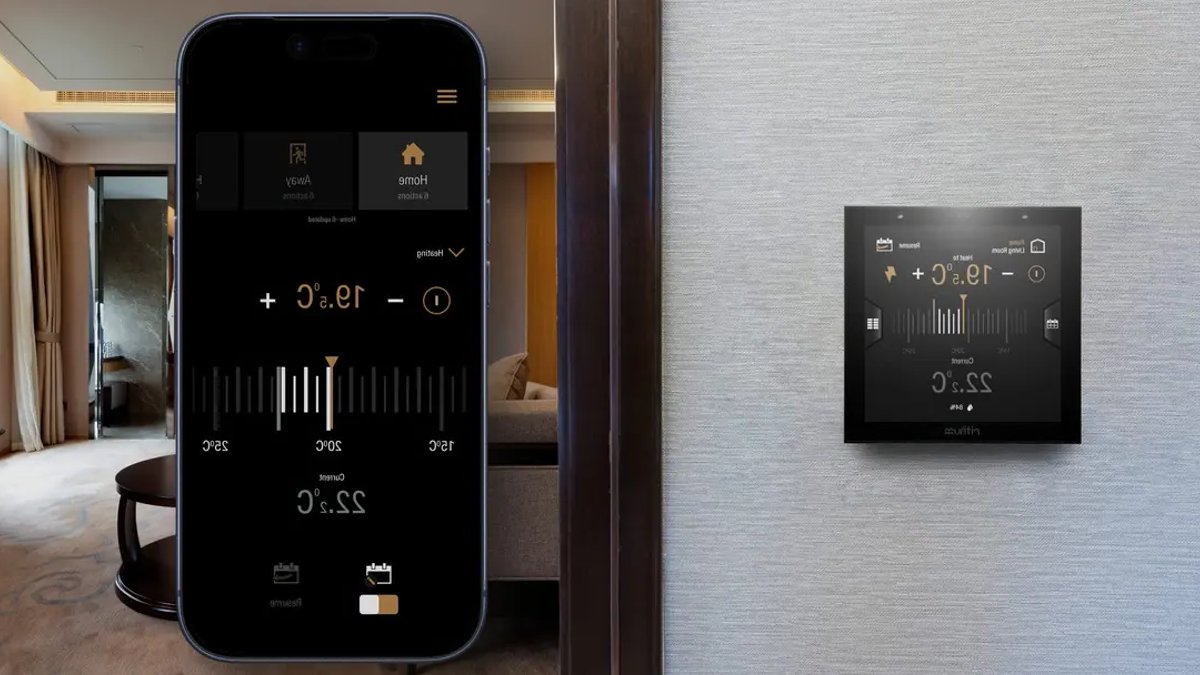
During a typical demo, a dashboard lights up, a chart shows floor-by-floor heating performance, and the owner can imagine managing the whole building from one screen. The conversation then stalls when a prospect asks how the software will talk to the HVAC controls already installed.
Legacy Controls Stall Software Deals
According to the European Commission, around 85% of buildings in the EU were built before 2001, and 85 to 95% of today’s buildings are expected to still be standing in 2050. In most cases, new analytics tools must adapt to that existing hardware.
Tom Novotny, chief executive of Finnish firm Nobody Engineering, says his company enables modern digital services to read and write data from those legacy HVAC controllers. After hundreds of connected sites, his team follows a repeatable process for each system.
Founder Ville Ilkkala recalls an early pilot where a city wanted to hook around 200 municipal buildings to the original software platform. “It was less a moment of sudden certainty than a fairly painful discovery,” he explains. The team managed three buildings before hitting old controllers, closed interfaces, and an industry accustomed to hard-to-reach automation.
Replacing the outdated controllers was not viable. Owners lacked capital for a full upgrade, and in many cases, there was no compelling reason to replace equipment that still functioned.
Shared Connection Layer Offers a Way Forward
Novotny notes that contracts are often signed before anyone checks the existing control environment. Building owners have delegated control of their systems to installers and maintenance firms, so the people who can grant access rarely work for the owner.
The term “compatible” adds to the confusion. An app that can read a few sensor values may not perform all the functions shown in a demo, and data points often carry different labels or units that must be mapped before the software can use them.
Decision-makers are scattered across contractors, network administrators, and facilities managers, each viewing the same proposal through a different lens. Hand-offs between these parties are where disputes typically surface.
A shared connection layer reduces those hand-offs. One supplier maintains the link between the building’s controls and the software, so the application vendor does not need to manage integration outside its expertise. When a problem occurs, responsibility is clearer.
Novotny argues that current pricing models force owners to pay for integration with every additional service. Under the usual approach, each new application arrives with its own integration project and separate invoice, leading to duplicated effort.
He likens today’s market to buying a camera, a tape recorder, and a radio in the 1990s—each a separate device. A shared layer, by contrast, lets owners “connect the building once, and every app runs on it,” much like a single smartphone hosts many applications.
The first connection still requires work: someone must gain access to the controls and set up the link. Once that is done, subsequent applications can run on the existing connection without a new integration project.
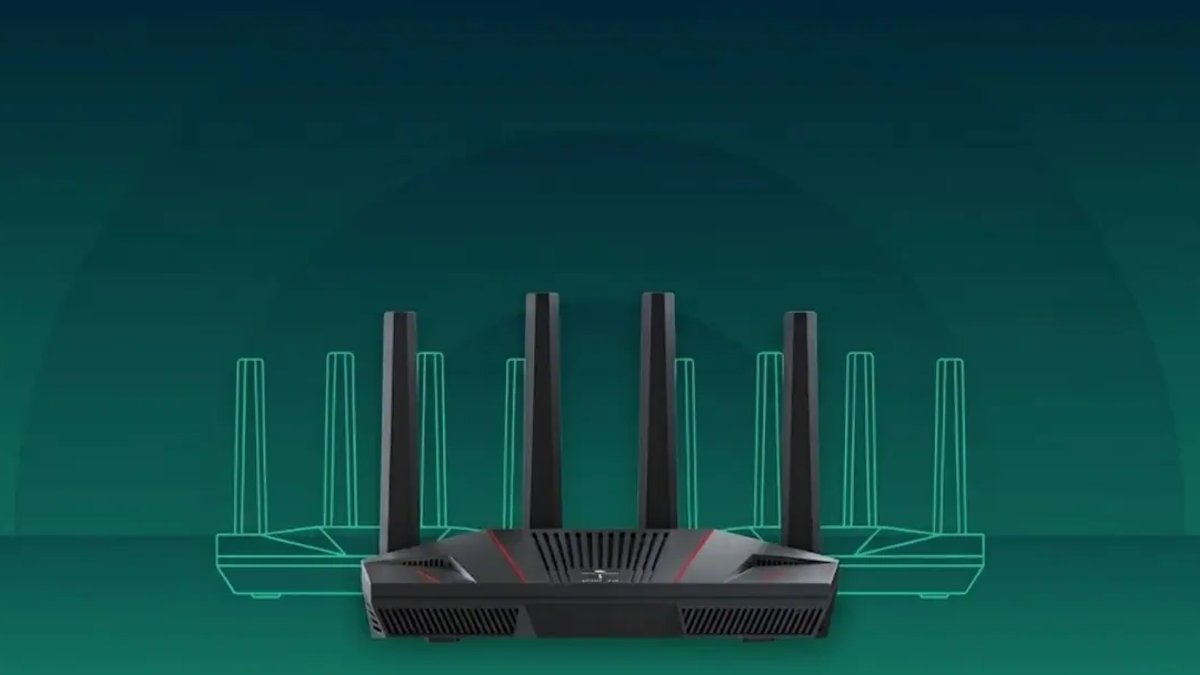
In a Stockholm retail property with an aging Trend Controls system, Sally R needed reliable data but did not want to tackle the controls integration. Nobody Engineering installed an edge device beside the legacy system, completing the link in days, while Sally R supplied the optimization software.
Novotny says the company can now connect to more than 75 different control systems. When an unfamiliar model appears, Nobody Engineering adds the necessary driver to its integration library at their own cost.
Financial Implications for Building Owners
Owners pay for the connection layer itself as an ongoing service, which is a fraction of the cost of an integration project, and no longer commission a new controls integration each time they add an application.
Extending Functionality Across Multiple Services
When a property decides to add a new analytics platform, the existing bridge simply exposes the required data points without additional field work. The software vendor connects to the shared layer through a standard API, and the data flows as it did for the first application. No extra access permissions or hardware installations are needed, allowing rapid deployment of fresh services.



Leave a Reply