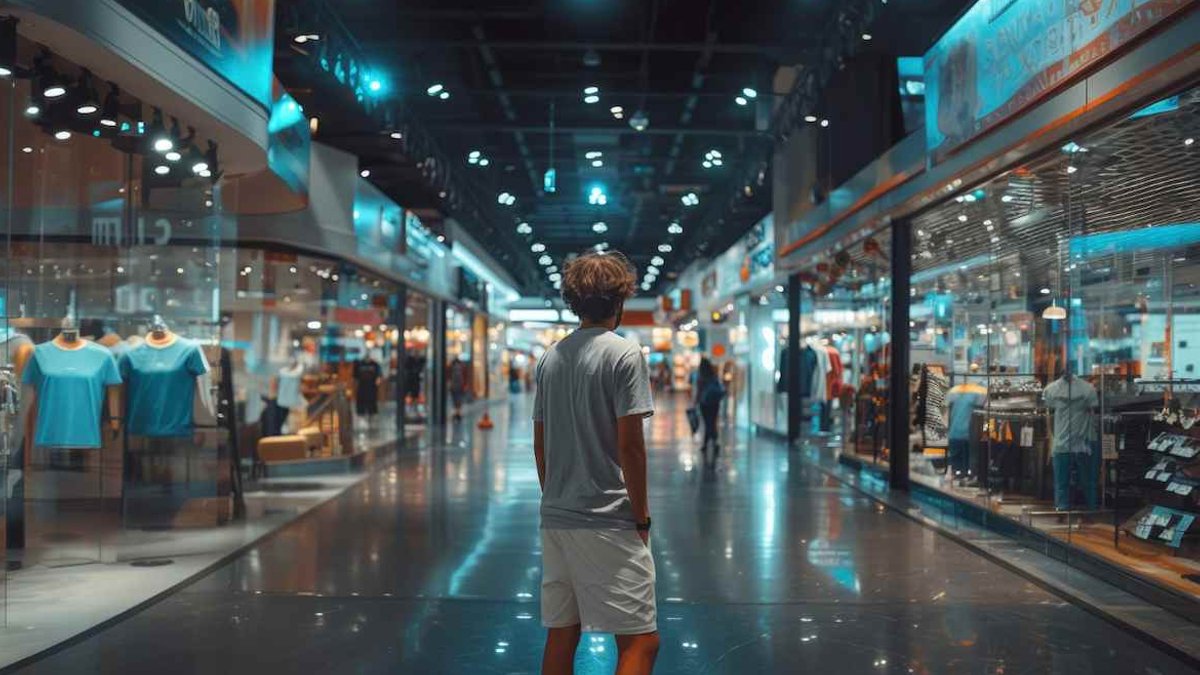
Organized retail in India was once restricted to major cities like Delhi, Mumbai, and Bangalore. However, this trend is changing as retail spaces are emerging in smaller cities.
Tier 2 and Tier 3 cities are experiencing growth in disposable incomes, driven by local business and industrial activity. This growth in income is leading to an increase in demand for branded products and shopping experiences. Improved connectivity through better roads, logistics, and internet has also played a significant role in this trend. People in smaller cities are now more aware of shopping malls and brands, thanks to the internet and personal visits.
Rise of Retail in Emerging Cities
E-commerce has also contributed to this trend, introducing smaller-city consumers to new brands and categories. This online familiarity has translated into a preference for physical stores, where people can try out products and buy them on the spot.
From a developer’s perspective, building retail spaces in smaller cities is attractive due to lower land costs and thinner competition. A well-planned retail development can be built at a fraction of the cost, while still commanding meaningful footfall and rental interest.
Read Also: Cybersecurity grows in India fintech sector
Challenges and Opportunities
However, constructing retail centers in smaller cities requires careful planning. The design of the retail center must reflect the local approach to shopping, which often involves leisure activities like eating out and entertainment. Getting the right combination of tenants and proper infrastructure is essential to the success of these projects.
The retail demand in smaller cities is real, but it’s not as pronounced as in larger metropolitan areas. This means that mistakes in the tenant mix can result in the development being unable to sustain itself, even in prime locations. Brands may also be hesitant to move to smaller cities due to concerns about demand sustainability.
Incomes are rising steadily in these cities, and consumer expectations are catching up with what’s available in larger urban centers. Retail is simply following where the demand exists.
Cities that figure out how to develop these projects properly will likely provide the blueprint for organized retailing in India in the years to come.




Leave a Reply