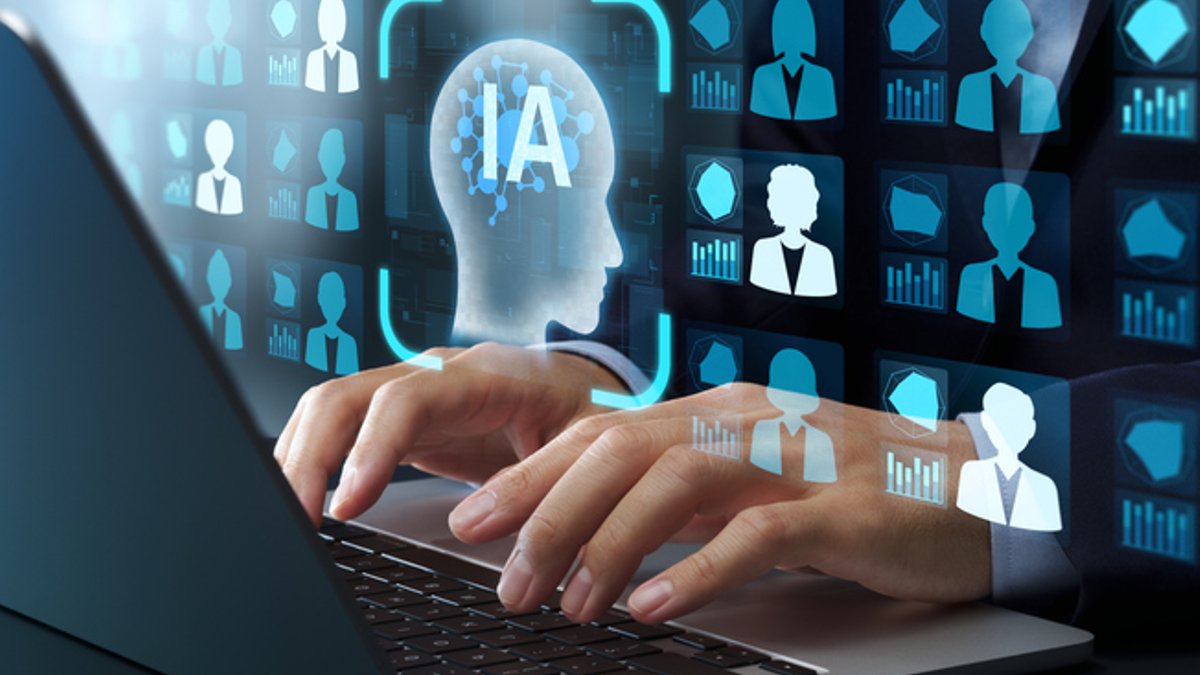
The race to realize value from artificial intelligence is no longer primarily about technology, but about people. As AI becomes embedded in enterprise workflows, organizations must rethink how work is structured, how talent is developed, and how employees collaborate with intelligent systems.
Building an AI-first workforce does not mean replacing people with AI, but rather ensuring that AI is consistently considered as part of decisions, investments, and ways of working, while empowering employees to adapt, learn, and create value alongside the technology.
Organizations that succeed will be those that cultivate workforce adaptability and continuously prepare employees for evolving roles. According to the Gartner report, by 2027, curiosity, adaptability, and agility will become the most important skills for IT talent as intelligent experimentation and orchestration take precedence over technical execution alone.
Traditional approaches to workforce development are no longer sufficient in an AI-driven environment. Periodic training and reactive upskilling must give way to ongoing AI literacy, continuous learning, and proactive skill development.
The challenge is significant, with Gartner expecting 44% of core skills to change over the next five years, requiring organizations to embed AI education into everyday work rather than treat it as a standalone initiative. Employees need practical understanding of AI’s capabilities and limitations, enabling them to use these tools effectively while remaining resilient to future technological and regulatory shifts.
Related: NativeDefence Launches Unified Security Platform NativeX
They will be better positioned to evolve as AI capabilities advance by providing employees with opportunities to learn and develop new skills, such as decision modeling, AI orchestration, and critical thinking.
In the middle of this transformation, it’s essential to consider what this development means in practice for the people most affected by it. As employees work alongside AI, they will need to adapt to new roles and responsibilities, and organizations will need to ensure that they are providing the necessary support and training to help them succeed.
This will require a cultural shift, with leaders encouraging employees to view AI as an ally that supports deeper analysis, stronger decision making, and more creative work.
While AI can increase efficiency, excessive dependence on automation creates new workforce risks. As employees delegate more tasks to AI, organizations may inadvertently reduce opportunities for individuals to build expertise through experience.
Over time, this can weaken critical capabilities and create shortages in essential roles. The Gartner report predicts that by 2030, half of enterprises will face irreversible skill shortages in at least two critical job roles due to factors including skill erosion and GenAI-related challenges.
To address this challenge, CIOs can close AI talent gaps through skills-based hiring, targeted upskilling, and retention programs. Lifelong learning and upskilling fortify companies against future talent shortages and create a sustainable competitive edge.
Related: African Startup Funding Shifts to Debt as Equity Hits Multi-Year Low
Becoming AI-first requires more than skills development; it requires a cultural shift. Employees need confidence that AI is being introduced to enhance human contribution rather than diminish it.
Transparent communication about AI’s role is therefore essential. Leaders should encourage employees to view AI as an ally that supports deeper analysis, stronger decision making, and more creative work.
Building trust in AI, while maintaining appropriate human oversight and judgment, allows organizations to balance machine capabilities with uniquely human strengths.
The future workforce will increasingly learn and work alongside AI. Gartner predicts that by 2028, 40% of employees entering a new role or profession will be initially trained and coached by AI, up from less than 5% today.
Organizations that build healthy, productive human-AI relationships now will be better positioned to realize the full potential of AI in the years ahead. The transition to an AI-first workforce is fundamentally a transformation of people, skills, and organizational design.


Leave a Reply