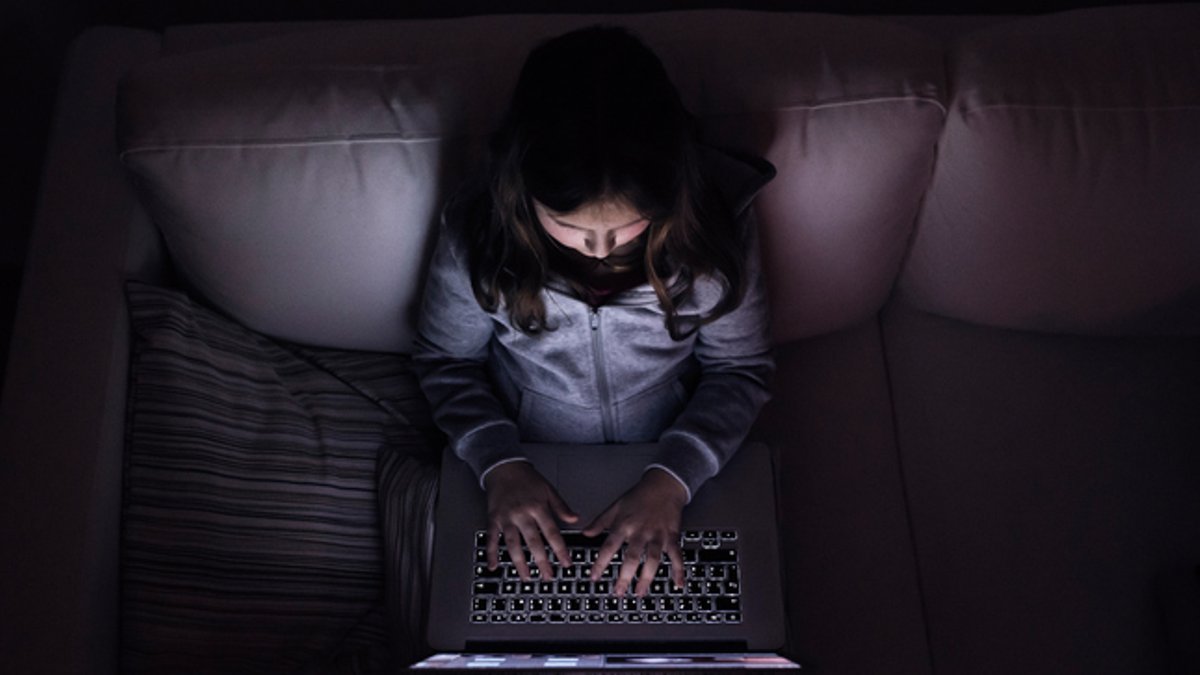
Indian children spent most of their online time in early 2026 on communication and self-directed media, but mobile devices exposed them to far more adult content than desktops. The findings came from a Kaspersky report.
Communication and media dominate screen time
Data from Kaspersky’s Safe Kids tool, collected across Windows and Android devices in the first quarter of 2026, revealed that Indian kids devoted over 75% of their online activity to two categories: internet communication and media, and software, audio, and video. On Windows, these made up 43.44% and 34.99% of usage. News media followed at 8.43%, while computer games accounted for just 2.6%.
The trend on Android mirrored this pattern—39.86% for communication and media, 34.89% for software and video—but the risks differed significantly.
Mobile devices show higher exposure to adult content
On Windows, adult content represented 1.91% of recorded activity, while alcohol, tobacco, and narcotics-related content held 0.29%. Though small, these figures were consistent enough to support Kaspersky’s advice for continuous parental controls rather than one-time settings.
The contrast grew sharper on Android. Adult content rose to 5.71% of activity, nearly three times the Windows rate. E-commerce (5.7%) and news media (4.69%) also saw greater engagement on mobile. Alcohol and narcotics-related content remained similar at 0.26%.
Jaydeep Singh, Kaspersky’s General Manager for India, explained that while communication and shared media still define children’s online habits, mobile devices often escape close supervision. “Even small amounts of adult content, narcotics-related material, or unsupervised gaming highlight that children explore beyond what parents anticipate,” he said. “Mobile use, in particular, shows this gap most clearly, making it the area where oversight matters most.”
Related: Funny Side Up: Strange Tech News Stories
When parents activated category blocks in Kaspersky Safe Kids, the tool blocked restricted sites instantly, demonstrating the value of active monitoring.
The difference reflects how and where children access the internet. Desktops may be easier to monitor, but mobile devices, often used without direct supervision, demand more attention.
Independent labs like AV-Comparatives and AV-Test have praised Kaspersky Safe Kids, but the report shows software has limits.





Leave a Reply