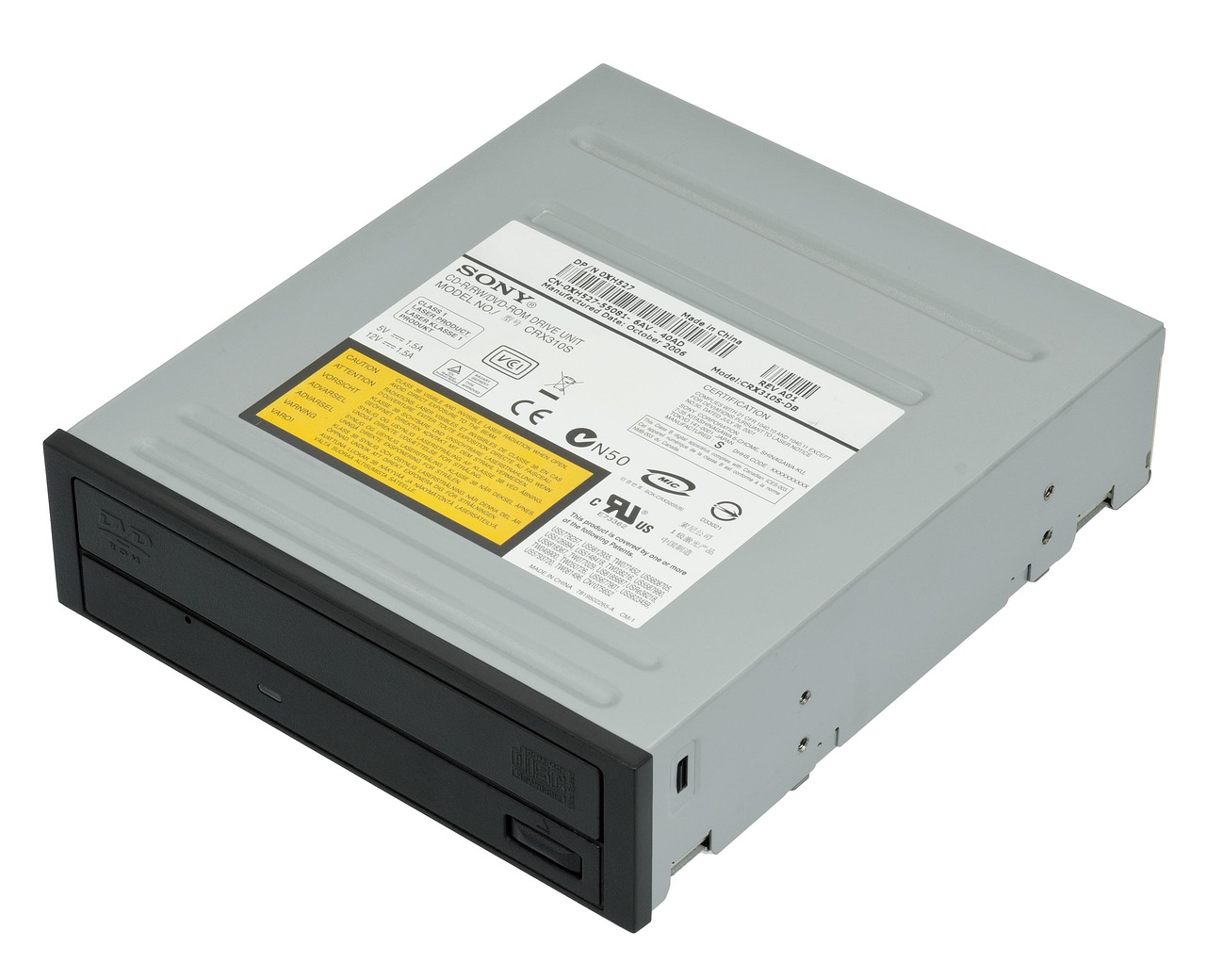
Apple’s last MacBook with a built-in DVD drive shipped in mid-2012. The 13-inch MacBook Pro was the final model to include an optical drive before the company phased out the feature entirely. This decision reflected Apple’s broader strategy to prioritize thinner, lighter devices with fewer physical components, a trend that had already begun with the removal of the floppy drive in the late 1990s and the Ethernet port in later models.
The mid-2012 MacBook Pro came with an 8X SuperDrive. At launch, its specs—including a 2.5 GHz dual-core Intel Core i5 processor and 4 GB of DDR3 memory—were competitive, particularly for users who needed a balance of portability and power.
Related: US Proposes Dropping Brake Rules for Waymo Robotaxis
By 2024, Apple officially labeled the model obsolete. The company defines obsolescence as any product it has stopped distributing for more than seven years. This classification doesn’t just affect hardware repairs; it also means third-party repair shops can still attempt to service these machines, but without access to official parts, repairs become increasingly difficult and expensive. For example, replacing the SuperDrive or the original hard drive (which could be upgraded to an SSD by users) may require sourcing used components, as Apple no longer manufactures or stocks them.
Apple also discontinued its external SuperDrive in 2024, leaving Mac users without an official optical drive option. The external SuperDrive, introduced in 2008, was designed to work with Macs that lacked built-in optical drives, such as the MacBook Air. Its discontinuation was part of Apple’s broader move away from physical media, as the company increasingly emphasized cloud storage solutions like iCloud Drive and streaming services. Third-party alternatives remain available, though—Amazon lists external CD/DVD drives for Mac starting under $30, with some models offering additional features like Blu-ray support or faster write speeds. These drives typically connect via USB-A or USB-C, making them compatible with both older and newer Macs, though users may need adapters for machines with only USB-C ports.
Related: Apple Music adds five new features in iOS 27
For those still holding onto physical media, the mid-2012 MacBook Pro might serve as a novelty or a dedicated media center. Its built-in SuperDrive makes it one of the few remaining Macs capable of playing DVDs without additional hardware, which can be useful for accessing older movies, software, or archival data. Some users repurpose these machines as home theater PCs, connecting them to TVs via HDMI and using them to play DVDs or stream content from older services that may not be available on newer devices. However, the machine’s limited processing power and lack of modern codec support can make it struggle with high-definition video or newer digital formats. As a daily driver, its age makes it impractical. The 2.5 GHz dual-core processor, while sufficient for basic tasks like web browsing or word processing in 2012, is now outpaced by even entry-level smartphones. The 4 GB of RAM is inadequate for modern multitasking, and the lack of an SSD (unless upgraded by the user) results in slow boot times and sluggish performance. The machine’s retirement marked the end of an era for Apple, which had already shifted focus toward cloud storage and digital distribution.
DVDs themselves haven’t disappeared. A single-layer disc still holds about 4.7 GB, making them useful for archival storage or retro media collections. For example, independent filmmakers or musicians may prefer DVDs for distributing physical copies of their work, as the format remains widely compatible with older computers and standalone DVD players. Libraries and archives also rely on DVDs for preserving digital content, as the discs can last for decades if stored properly, unlike hard drives or flash storage, which may degrade over time. However, the rise of dual-layer and Blu-ray discs, which offer significantly more storage capacity, has made standard DVDs less appealing for large-scale data storage. For MacBook owners, the built-in drive is now a relic—one that won’t be returning anytime soon, as Apple continues to prioritize sleek, minimalist designs over legacy features.
Related: EU Exempts Banned Chinese Chipmaker Amid Auto Crisis
Other laptop manufacturers still offer models with optical drives, though they’re increasingly rare. Brands like Dell, HP, and Lenovo continue to produce business-oriented laptops with DVD drives, catering to industries that still rely on physical media, such as healthcare, education, or government sectors. These machines are often bulkier and heavier than ultrabooks, as the optical drive adds thickness and weight. For consumers, the shift away from optical drives has been driven by the rise of streaming services, USB flash drives, and cloud storage, which offer greater convenience and flexibility.
If you’re hunting for a mid-2012 MacBook Pro today, expect to pay more for nostalgia than performance. The hardware was solid for its time, but a decade later, it’s better suited for display than daily use. Prices for used units vary widely depending on condition, with fully functional models often selling for $150 to $300 on platforms like eBay or Facebook Marketplace. Machines with upgraded components, such as an SSD or additional RAM, command higher prices, while those with failing batteries or damaged screens may sell for as little as $50. Collectors may also seek out these models for their historical significance, as they represent the last of a dying breed of MacBooks.





Leave a Reply