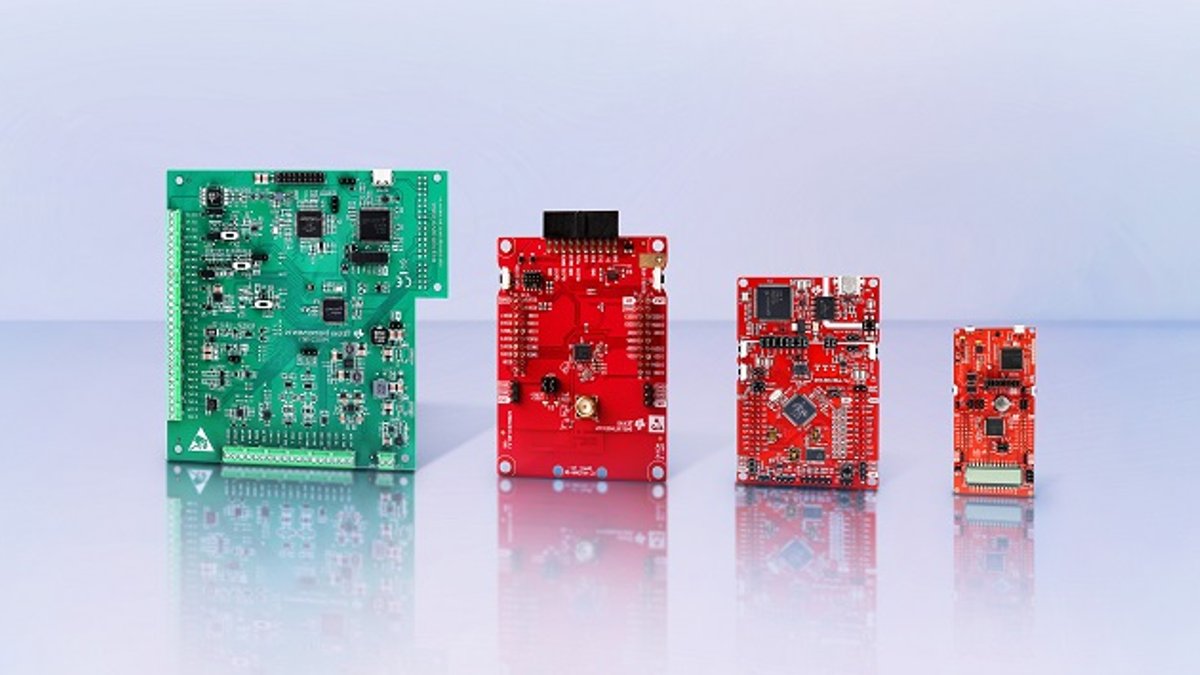
Texas Instruments is strengthening its backing for the Zephyr Project, the open-source real-time operating system, by extending its compatibility across the entire embedded product range. This initiative removes obstacles for developers working with microcontrollers (MCUs), microprocessors (MPUs), and wireless connectivity components, delivering a unified development framework that also meets Cyber Resilience Act (CRA) standards.
The collaboration ensures developers can preserve existing workflows while accessing TI’s full hardware catalog, which spans from ultra-low-power M0 cores to high-performance M33 processors. Historically, switching between semiconductor suppliers demanded substantial code revisions, but TI’s Zephyr-based solution now provides a single, standardized development environment.
Developers keep their current Zephyr codebases and toolchains when adopting TI’s chips. Before each software development kit (SDK) release, TI’s contributions undergo review by the Zephyr community, guaranteeing stability throughout product development. Public GitHub repositories and automated integration/deployment pipelines offer pre-release access to updates, while TI’s decade-long hardware support commitments minimize long-term maintenance concerns.
The partnership also simplifies regulatory compliance. The Cyber Resilience Act, an EU mandate for cybersecurity in digital products, is automatically satisfied through TI’s Zephyr platform. This eases adherence for developers targeting European markets, where CRA compliance is obligatory.
Read Also: Google Replaces Gems Feature With Skills
Marian Kost, vice president and general manager of Wireless Connectivity at TI, said developers can migrate to TI without disrupting existing open-source workflows, while gaining access to a full, higher-performing hardware portfolio. Kate Stewart, Vice President of Dependable Embedded Systems at the Linux Foundation, described the move as a “strong example” of collaborative, vendor-neutral real-time operating system development.
Zephyr’s expanding influence extends beyond its role as an RTOS—it functions as a community-driven ecosystem influencing industry standards. TI’s contributions, including reference designs and code reviews, reinforce this collaborative approach. Developers gain broader hardware options while avoiding disruptions to ongoing projects.
For teams already using Zephyr, migrating to TI devices requires no code modifications. The platform’s scalability, supporting applications from simple sensing to advanced connected systems, ensures adaptability across diverse use cases. TI’s documentation, SDKs, and reference designs are available at ti.com/zephyr.




Leave a Reply