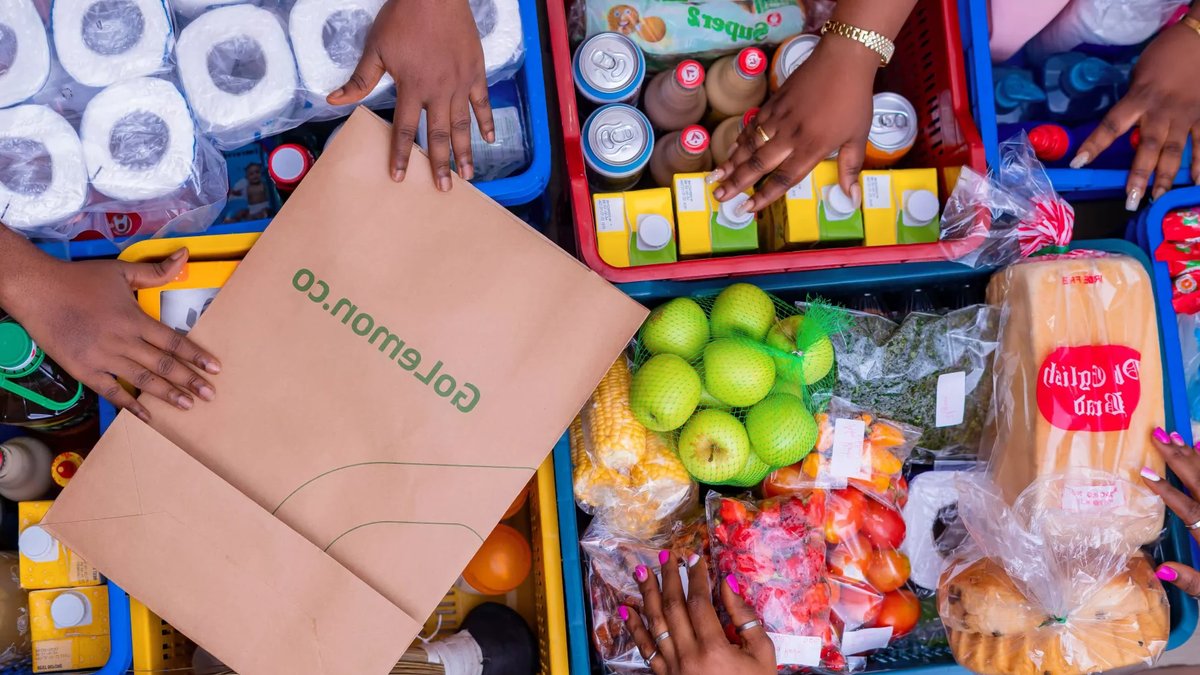
Nigeria’s grocery‑tech sector has suffered a second major setback in four months as the Lagos‑based startup GoLemon announced it will cease taking new orders and shut its customer‑support lines on Aug. 2 after failing to secure the funding needed to continue operating.
Full‑stack model under pressure
GoLemon, founded by former Paystack employees, built a “full‑stack” operation that sourced directly from farmers and manufacturers, maintained its own warehouses, and developed in‑house delivery technology. The model promised tighter quality control, lower prices and more loyal shoppers, but it also carried heavy fixed costs. As inflation rose, diesel prices surged and households tightened budgets, those costs became increasingly difficult to shoulder.
The company claimed individual orders were profitable, with an average basket size of about ₦43,700 (roughly $32). Yet the volume of orders never reached the level required to offset the overhead of its warehouses, engineering team and logistics network. Founders said the demand for planned, large‑basket grocery shopping existed, but without an additional capital round the business could not become self‑sustaining. When the cash ran out, GoLemon opted to wind down.
Industry ripple effects
The closure follows the March pause of cloud‑kitchen startup FoodCourt, which halted operations after unpaid salaries triggered strikes and debt pressure forced it to shut its Lagos and Abuja kitchens. FoodCourt’s near‑collapse highlighted the financial fragility of venture‑backed companies that own kitchens, inventory and delivery fleets. Together, the two failures are now widely cited as evidence that Nigeria’s “full‑stack” food‑tech model is struggling to hold up.
Related: Quidax Launches Stablecoin Infrastructure in 21 Countries
By contrast, asset‑light platforms that operate as marketplaces—connecting diners or shoppers to existing restaurants and stores—have shown greater resilience. Companies such as Chowdeck and Glovo, which do not own the supply chain, have continued to attract investment despite the tighter funding environment.
In December 2025, GoLemon tried to shift toward a lighter model by partnering with Chowdeck, allowing customers to order its groceries through the Chowdeck app while GoLemon handled sourcing and fulfillment. The partnership broadened its reach but did not alleviate the underlying funding and cost pressures. Reports indicate the startup explored additional strategic deals, yet none materialized before its cash reserves were depleted.
Investors are now more selective.
The current climate favors businesses that can demonstrate sound unit economics rather than merely large user bases. This trend is especially harsh on asset‑heavy consumer ventures that maintain warehouses, kitchens and sizable operational teams.
Related: iPad Lineup to See Five Overhauls by 2027
Going back to earlier attempts in the region, the shift mirrors a broader pattern where companies that tried to control every link in the supply chain—often dubbed “full‑stack”—have repeatedly encountered financing gaps when market conditions tighten. The lesson seems to be that even with strong demand, scaling quickly enough to outpace funding cycles remains a major hurdle.
Analysts note that the two recent failures could accelerate a pivot toward partnership‑driven, asset‑light platforms across Africa. The move may encourage startups to focus on technology and network effects rather than building costly physical infrastructure. While the market for grocery delivery remains sizable, the path to profitability may now lean more on leveraging existing retail networks than on owning them outright.
For consumers, the immediate impact is a reduction in options for integrated grocery services that promise both quality and price advantages. However, the continued operation of marketplace‑based apps suggests that shoppers will still have access to delivery, albeit through models that rely on third‑party stores and restaurants.
Overall, the GoLemon shutdown marks a turning point for Nigeria’s food‑tech sector, highlighting the challenges of maintaining a vertically integrated operation in an environment of rising costs and cautious capital. The sector’s future may depend on how quickly companies can adapt to an investor climate that now prioritizes lean, scalable business models over ambitious, asset‑heavy ventures, a reminder that strong customer demand alone isn’t enough to survive if a company can’t scale fast enough before the funding dries up.




Leave a Reply