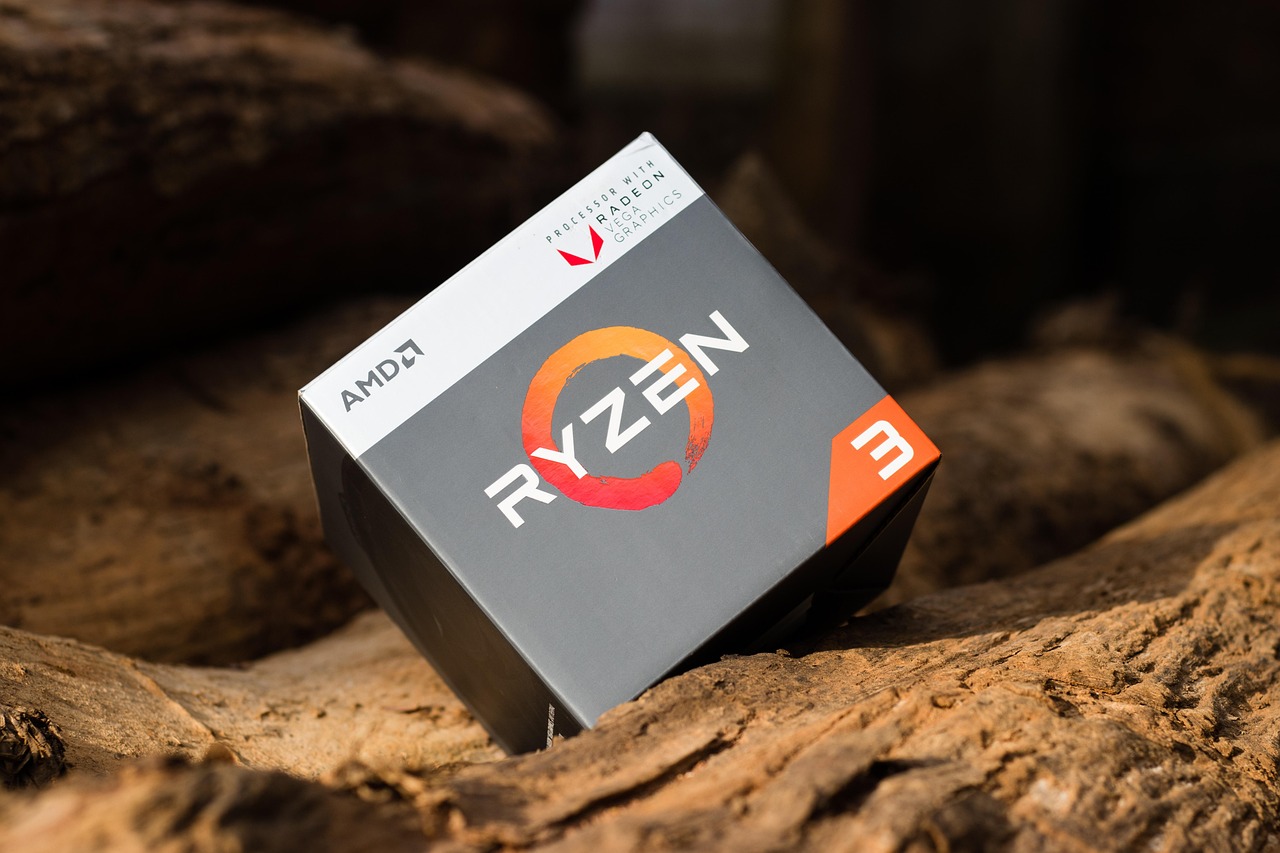
Linux developers are turning to AI-assisted coding tools to keep older AMD graphics cards running, using GitHub Copilot to clean up the R600 driver that supports the HD 2000 through HD 6000 series. The effort, described by some contributors as “vibe coding,” aims to extend the usable life of hardware that AMD no longer officially supports.
Read next: Four OLED TVs Scoring Deep Discounts on Amazon Prime Day – What to Know (2026 Guide)
AI lending a hand with legacy code
The R600 driver, which covers GPUs released between 2007 and 2012, has accumulated years of patches and workarounds. Maintaining it manually requires deep familiarity with aging codebases and hardware quirks that few developers still possess. A small group of Linux graphics developers began experimenting with GitHub Copilot to refactor parts of the driver. The AI model suggests code completions based on context, helping programmers modernize functions without rewriting everything from scratch.
Related: Nokia N95 runs Half-Life at 30 FPS matching 1998 PCs
One developer noted that the tool’s ability to recognize patterns in the R600’s Direct3D 9 paths saved hours of manual tracing. “It’s not perfect,” they said. “But it gets the boring parts out of the way.”
What the cleanup actually does
The work focuses on removing redundant code, fixing memory leaks, and aligning the driver with modern kernel interfaces. These changes don’t add new features — they improve stability and compatibility with current versions of the Linux kernel and Xorg display server. For users still running an HD 3870 or HD 5870, the result is a system that boots reliably with open-source drivers. The cleanup also reduces the driver’s binary size by roughly 15 percent, though that figure is incidental to the main goal of maintainability.
Some patches have already been merged into the Linux kernel’s DRM subsystem, which manages graphics hardware. Others are under review. The project is not coordinated by any single company; it’s driven by volunteers who own or collect these vintage cards.
Related: SMIC, AMEC CEOs Urge Domestic Chip Tool Tests on Production Lines
Not everyone is sold on AI-assisted kernel work
While the results have been positive so far, some kernel maintainers express caution. AI-generated code can introduce subtle bugs that are hard to spot, especially in driver code that interacts directly with hardware registers. “Copilot is useful for boilerplate, but we still need human review for anything that touches the silicon,” one contributor told a Linux mailing list. The concern is that automated suggestions might replicate outdated patterns or miss hardware-specific edge cases.
Still, the R600 driver is relatively stable and well-documented compared to newer hardware. That makes it a safer test bed for AI-assisted cleanup than, say, the AMDGPU driver for modern Radeon cards.
Why vintage GPUs still matter
Old AMD graphics cards remain in use for various reasons. Some hobbyists run retro gaming rigs with Windows XP or Linux builds. Others use them for compute tasks that don’t require modern features like ray tracing. In developing regions, these cards often serve as budget options for basic desktop computing. Keeping the open-source driver alive means these systems can continue to receive security updates and kernel compatibility fixes without relying on proprietary binary blobs. For Linux distributions that aim to support older hardware — such as Debian or Ubuntu LTS — a maintained R600 driver is a practical necessity.
Related: Pennsylvania Residents Blast Governor Over AI Plans
AMD itself stopped providing official driver updates for the HD 2000–6000 series years ago. The open-source AMDGPU driver does not support these chips, so the older R600 and radeon drivers are the only game in town for Linux users.
The AI-assisted cleanup effort doesn’t promise a sudden renaissance for vintage GPUs. But it does mean that someone running a 15-year-old graphics card on a current kernel can expect fewer crashes and better performance in basic 2D workloads. That’s not flashy, but it’s real. One developer summed it up in a commit message: “Copilot helped, but the bugs I fixed are still mine.”





Leave a Reply