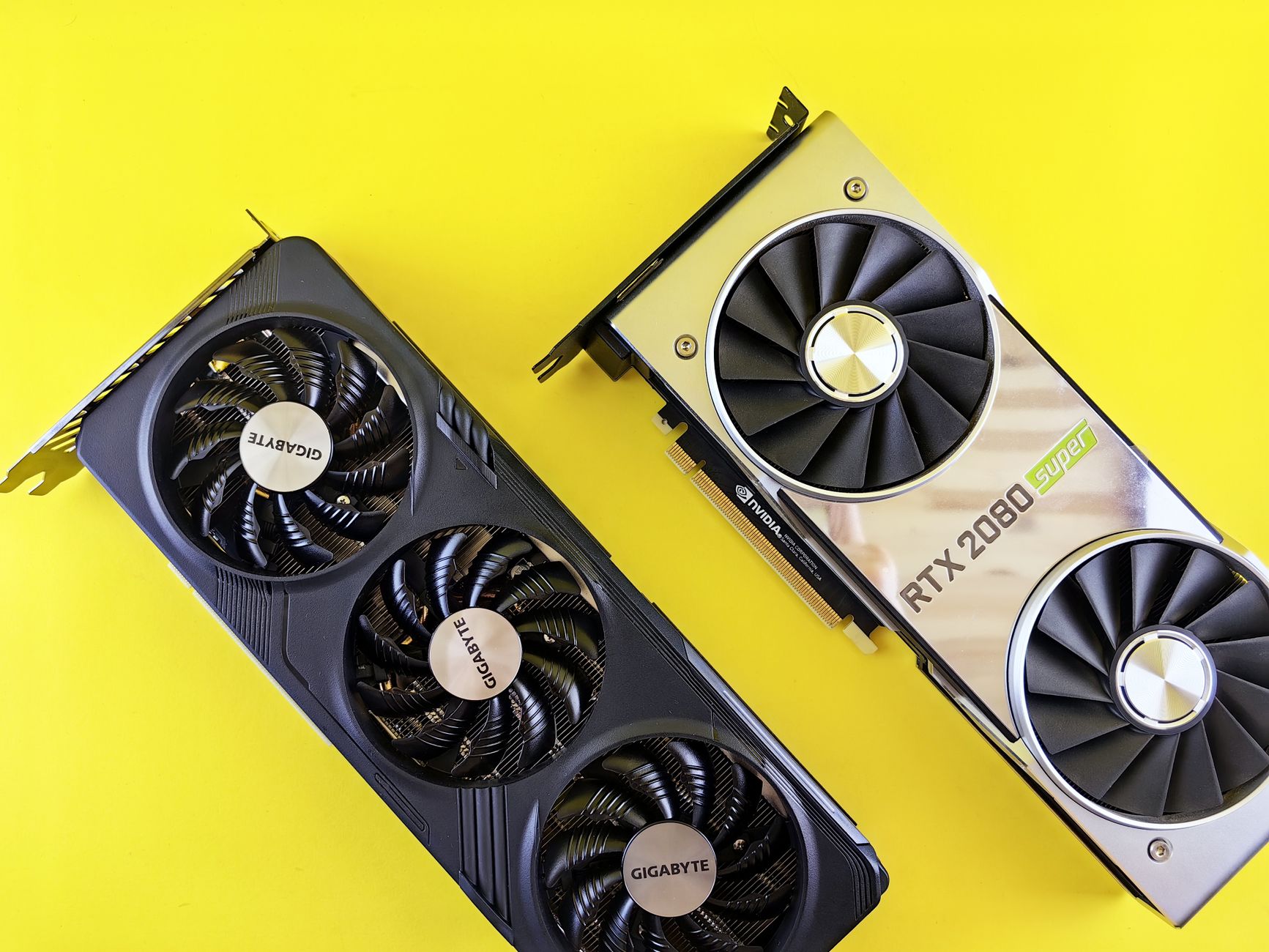
Nvidia CEO Jensen Huang has called on Supermicro to tighten its export control procedures after a smuggling operation worth an estimated $2.5 billion was uncovered. The bust, which involved shipments of high-end server equipment and AI GPUs destined for China, has drawn attention to gaps in how companies enforce trade restrictions. Huang’s internal message, described by people familiar with the matter, urged Supermicro to fix its compliance systems quickly or risk further damage to its business and reputation.
How the smuggling operation worked
Authorities say the scheme used shell companies in multiple countries to disguise the final destination of advanced Nvidia chips and servers. The hardware, including A100 and H100 GPUs, was routed through intermediaries before reaching Chinese buyers. U.S. export controls bar such sales without a license because the chips can be used for military applications, including AI training and weapons development.
Court documents show the operation ran for at least two years. Investigators traced payments and shipping records that linked the server maker’s hardware to entities in Hong Kong and Singapore. The total value of the seized and identified shipments reached $2.5 billion, making it one of the largest export control breaches in recent history.
Related: Samsung worker bonus plan nears approval
Nvidia’s response and internal pressure
Huang’s message to the firm was not made public. But sources inside both companies say it was direct and left little room for debate. He told the firm’s leadership that the company must overhaul its compliance team, improve due diligence on buyers, and implement real-time tracking of high-value shipments. The chipmaker itself faces scrutiny from the U.S. Commerce Department over whether it did enough to prevent the diversion of its own products.
The CEO’s intervention reflects the stakes. If the company is found to have knowingly violated export controls, it could face crippling fines or lose its ability to export entirely. The GPU maker relies on it as a key partner for building AI servers, and any disruption would ripple through the supply chain.
Taiwan steps up enforcement
Meanwhile, Taiwan’s government has launched its own crackdown on AI GPU smuggling to China. Customs officials have increased inspections of outbound electronics shipments, focusing on high-value computing hardware. In the past two months, Taiwanese authorities have seized several batches of GPUs from the chipmaker and AMD that were mislabeled as consumer electronics.
Related: Forza Horizon 6 slashes load times 95% with AMD GPUs
The crackdown follows a series of raids in Taipei and Kaohsiung. Officials say they are working with U.S. investigators to trace the networks behind the illegal exports. One senior investigator described the situation as a “cat-and-mouse game” where smugglers constantly change routes and documentation to avoid detection.
Numbers behind the bust
According to the latest filings, the smuggling ring shipped around 15,000 top-tier GPUs over the course of the operation. At retail, each H100 GPU costs roughly $30,000, meaning the hardware alone accounted for about $450 million. The rest of the $2.5 billion valuation came from servers, networking gear, and software licenses bundled into the shipments. The investigation remains open, and more arrests are expected.
One customs officer in Taiwan noted that the smugglers used ever-changing labels—sometimes listing the goods as “industrial fans” or “electronic components.” The sheer volume of legitimate trade makes it hard to catch every illegal shipment.
Related: Portal Advanced Case Transforms PC into Wall-Mounted Liquid Cooling System
Compliance costs are rising
For companies like the server maker, the fallout means hiring more compliance staff, investing in automated screening tools, and auditing past sales. Industry analysts estimate that export control compliance budgets for major hardware makers have doubled in the past year. Smaller firms may struggle to keep up.
Meanwhile, the GPU giant is reviewing its own distribution agreements. The company recently added language to its contracts that requires partners to submit to surprise audits. But enforcement remains uneven. One former trade official said that without stronger government oversight, smuggling will continue because the profit margins are too high to resist.
The Taiwan crackdown is still in its early stages. Officials there have not yet released specific data on seizures. But they confirmed that two individuals were detained in late October for attempting to ship 40 of the chipmaker’s H100s to a shell company in Vietnam. The case is pending trial.




Leave a Reply