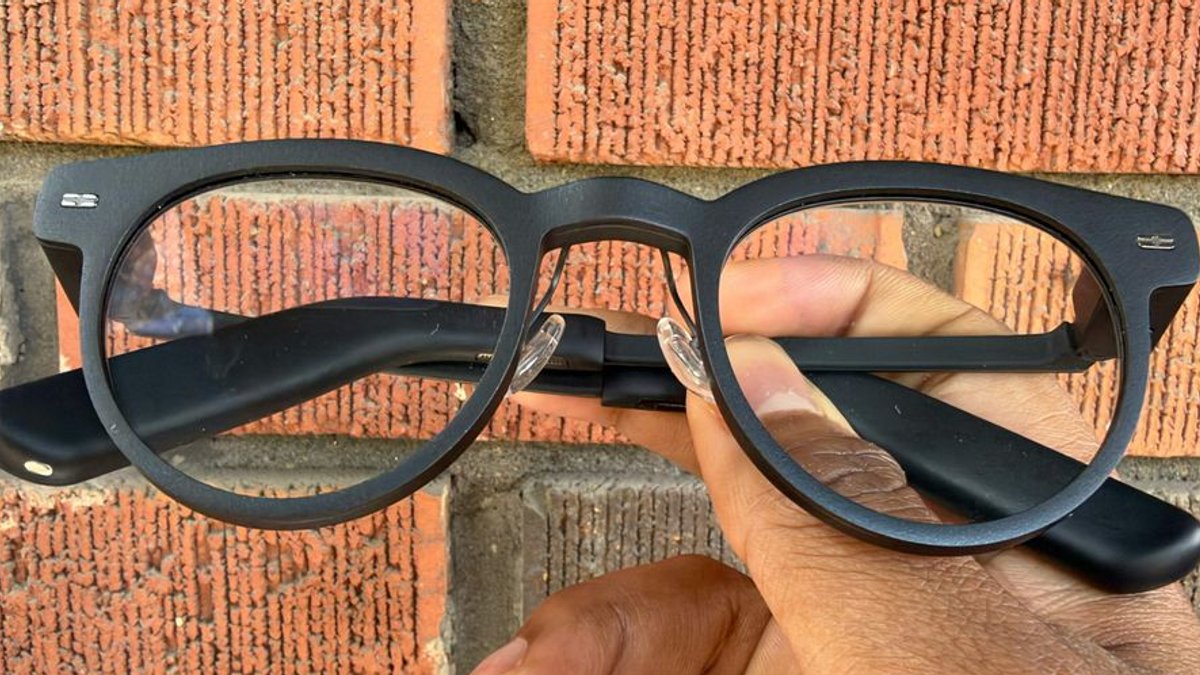
Smart glasses often spark social friction, but one device aims to solve that by removing the camera entirely. The MemoMind One takes a different approach to wearable AI by ditching the camera and relying instead on dual micro-LED displays to project information directly into the user’s field of view.
Clarity and Comfort
The device features dual micro-LED displays capable of reaching 2,000 nits of peak brightness, ensuring text and UI elements remain crisp even in direct sunlight. This setup differs from single-monoocular displays, which can cause eye strain during extended use. Hardware adjustability is also a notable feature, allowing users to fine-tune the focal distance, height, and depth directly on the frames to align with their natural field of view.
Design and weight contribute to the device’s comfort. The frame houses internal components within temple tips, resulting in a total weight of 46.6 grams. This is lighter than the Ray-Ban Meta Gen 2s, which begin around 51 grams. The company offers various silhouettes, including Nomad, Gotham, and Archive styles in both round and square shapes, along with optional magnetic sunglasses clip-ons.
Audio and Functionality
Audio performance relies on open-ear stereo speakers tuned with Harman technology and a triple-microphone array. Callers generally had no trouble hearing the user during testing, and music playback sounds rich and clear for an open-ear setup. However, the speaker placement means that high volume levels in quiet environments may allow nearby colleagues to hear audio leakage.
Software functionality focuses on HUD features that can be summoned with a quick upward head gesture. The main dashboard surfaces turn-by-turn navigation, calendar alerts, stock tickers, and incoming notifications. Real-time translation works well during tests, displaying incoming dialogue as text in the user’s field of view. A Convers AI feature pushes contextual answers to the vision during conversations, allowing the user to ask the AI to set reminders or check a calendar.
Controls and Charging
Two hardware limitations affect the user experience. Device controls rely on a single physical button that requires memorizing specific input patterns, such as single, double, or long-press actions. While voice commands and head gestures assist with navigation, a capacitive touch strip or a dedicated companion ring would offer a more intuitive interface.
Charging presents another logistical challenge. The device requires a tiny proprietary dongle that slots onto the temple tip to connect to a USB-C cable. Although this allows the glasses to be worn while plugged into a laptop, losing the adapter renders the device unusable until a replacement is found.
Pricing and Availability
Starting at US$399, the MemoMind One is positioned as a daily-wear option for those seeking lightweight frames that provide navigation, translation, and schedule updates without the social stigma of a camera-equipped device. The device represents a distinct category within the wearable tech market, focusing on utility and discretion over recording capabilities. Starting at US$399 (C$567), the MemoMind One is a pretty reasonable option for consumers looking for a balance of affordability and functionality. This pricing point makes the device accessible for those who want the utility of a smart assistant without committing to the higher costs often associated with premium wearable technology.





Leave a Reply