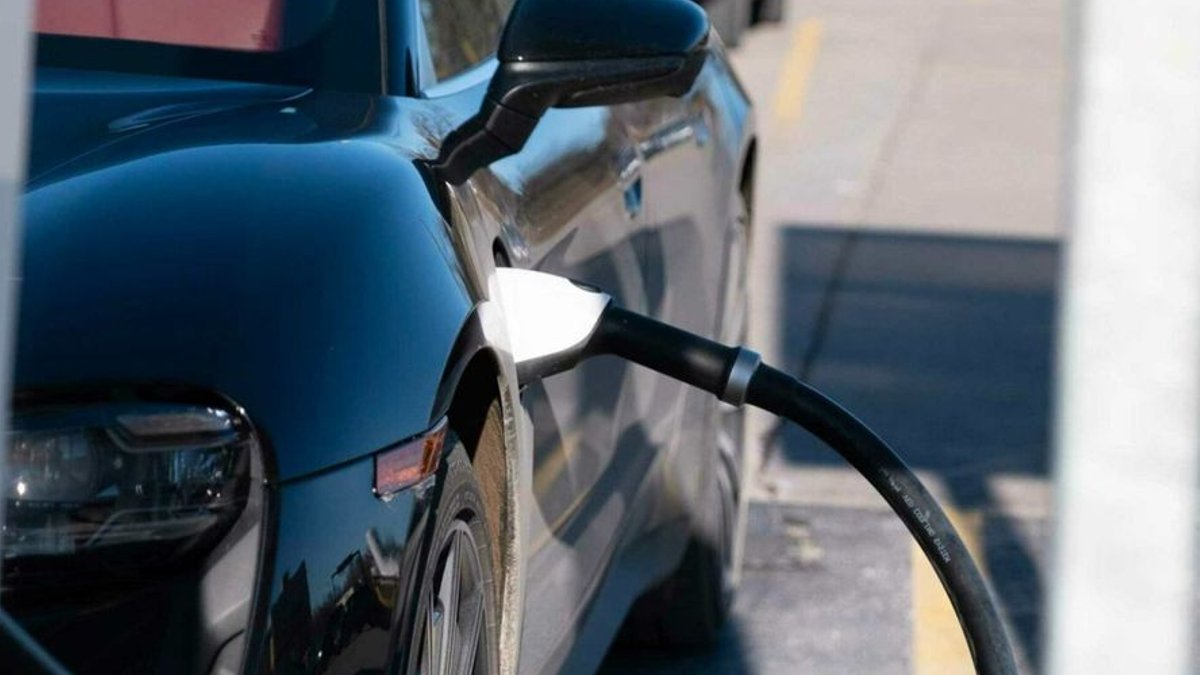
Canada’s electric vehicle (EV) infrastructure is expanding, with nearly 100 new charging stations and 400 new charging ports added in the third quarter of 2026, according to a recent report.
The “State of the EV Charging Industry” report, released by data intelligence company Paren, highlights the growth of Canada’s EV charging network. In Q3 2026, the country added 103 new stations and 391 new charging ports, bringing the total to 2,740 stations and 9,615 fast-charging ports.
This expansion is part of a larger trend, with Canada’s EV charging infrastructure growing significantly over the past year. In Q3 2025, the country had 2,275 stations and 7,585 ports, meaning the network has grown by 465 stations and 2,030 ports year over year.
The report notes that 93 of the new stations were entirely new sites, while 10 were existing stations that added additional ports. This marks a shift from Q2 2026, where 77 new sites and 24 expansions were recorded.
Read Also: New Canadians favor Rogers and Bell services
An interesting trend is the difference in port additions between Tesla and non-Tesla stations. Non-Tesla stations averaged 3.2 new ports per site, consistent with the previous quarter. In contrast, Tesla stations averaged 9.8 new ports per site, down from 16.3 in Q2 2026.
Tesla’s share of the DC Fast Charging (DCFC) port market is decreasing. While they installed 88 of the quarter’s 391 new ports, their market share has dropped to 32.1%, down from 36.0% in 2025. Despite this, Tesla’s total number of ports has increased from 2,729 to 3,091.
Other charging networks are gaining ground. Circuit Électrique added 61 ports in Q3, holding 15.6% of the market, while ChargePoint added 41 ports, holding 10.5%. A combined 27 networks outside the top 10 hold 17.6% of the market, adding 90 ports in Q3.
Provincially, eight provinces and territories added at least one station in Q3. Quebec led with 49 new stations, followed by Ontario with 22 and British Columbia with 18. British Columbia and Ontario have the highest charger utilization rates at 13.1% and 11.5%, respectively, while the Northwest Territories has the lowest at 0.3%.





Leave a Reply