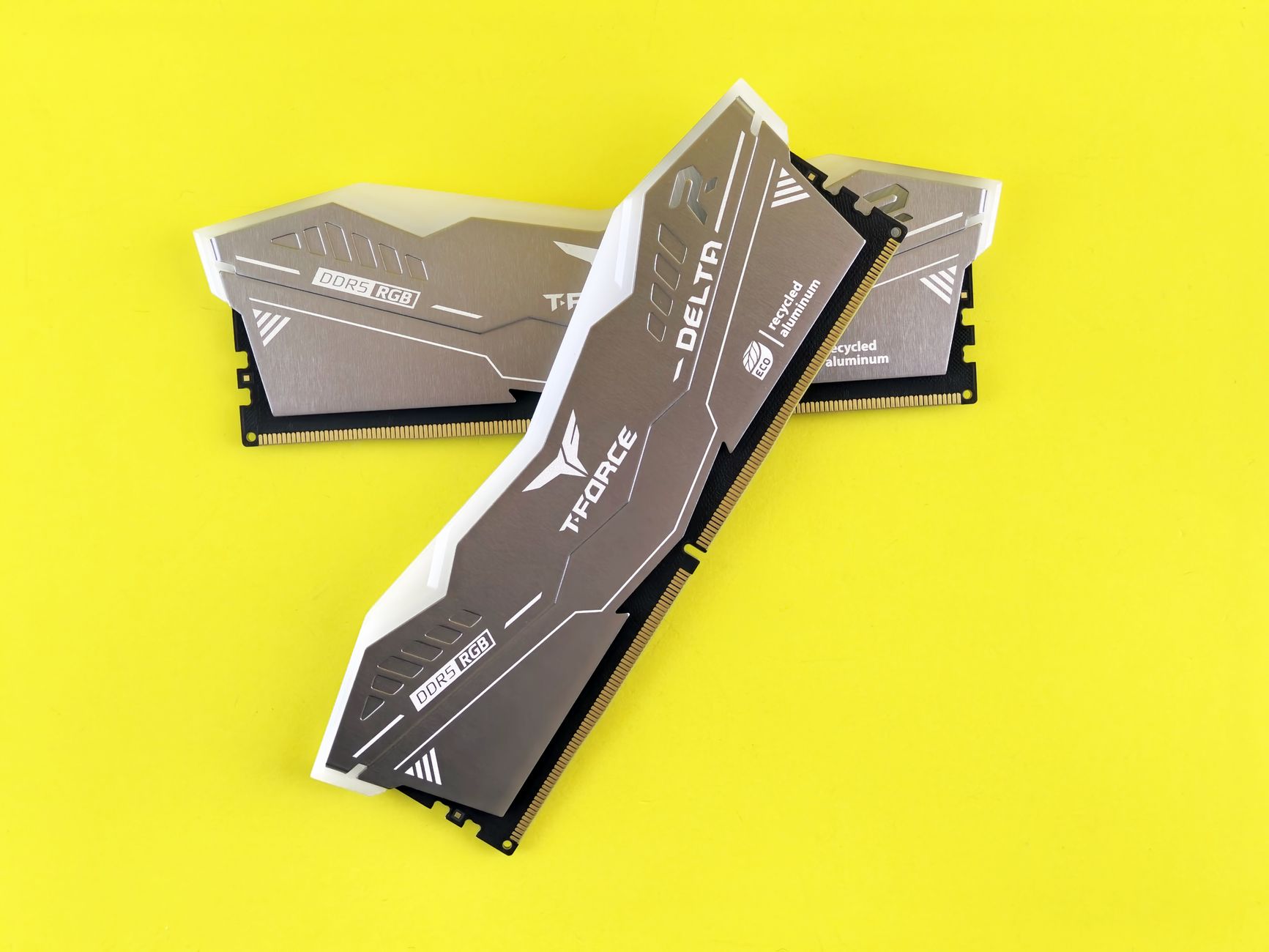
Cooler Master is introducing active cooling for DDR5 RAM with its new MasterDIMM product. The device pairs G.SKILL memory modules with a built-in fan, claiming to lower temperatures by up to 15 degrees. Kits can reach 128GB, targeting high-performance computing needs. The move reflects growing demand for thermal management in next-gen memory systems.
Thermal management in DDR5 memory
Traditional passive cooling methods struggle with heat buildup in high-speed DDR5 modules. Cooler Master’s solution embeds a fan directly into the memory module. This design aims to prevent thermal throttling during intensive tasks like gaming or video rendering. The fan’s power draw remains minimal, according to the company’s documentation.
Related: Kevin O’Leary blames Chinese propaganda for datacenter backlash
Heat dissipation is a known challenge in modern memory systems. MasterDIMM addresses this by using a dual-layer heatspreader. The outer layer conducts heat away from the memory chips, while the inner layer channels airflow. This setup reduces hotspots without adding bulk to the module.
Collaboration with G.SKILL
The MasterDIMM kit combines G.SKILL’s memory technology with Cooler Master’s cooling expertise. Both companies have worked on similar projects before, but this is their first joint effort in memory cooling. The partnership highlights a trend toward integrated thermal solutions in hardware.
Industry analysts note that thermal management is becoming a differentiator in memory markets. The company’s approach could influence competitors, though no immediate responses from rivals have been reported. The product’s availability is pending, with no official release date announced yet.
Related: Asus Prime Z890-P Ready for Core Ultra
Some users question the practicality of active cooling in memory modules. Wikipedia notes that active cooling in small components often faces reliability challenges. The company has not addressed these concerns in its documentation, but it cites testing results showing stable operation under load.
Market potential and limitations
DDR5 adoption is still in early stages, with most systems using DDR4 memory. The company’s product may appeal to niche markets like overclockers or data centers. However, the 128GB kit’s price remains unclear, which could limit mainstream appeal.
Related: SpaceX struggles to find enough computer chips
Independent reviews of similar cooling solutions have highlighted noise levels as a concern. The product’s fan is designed to operate quietly, but real-world testing will determine its effectiveness. The product’s compatibility with existing motherboards is also unconfirmed, though the company claims it adheres to standard DIMM specifications.
The company’s move could set a precedent for future innovations in component-level thermal management. While cooling solutions for CPUs and GPUs are well-established, memory modules remain an emerging area. The product underscores a shift in how hardware manufacturers approach thermal design.





Leave a Reply