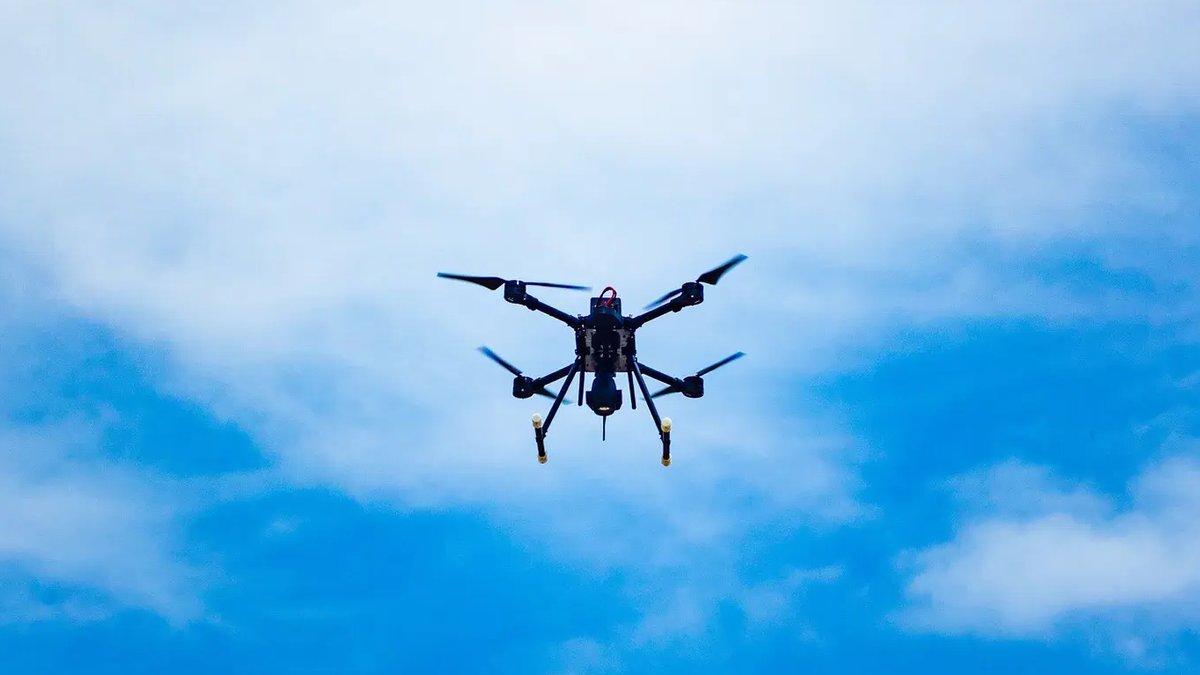
Terra Industries, a Nigerian defense-tech startup, secured an additional $18 million, bringing its seed round total to $52 million. The funds will support expansion into London and scale manufacturing in Ghana.
Funding Round Details
The investment includes participation from existing backers 8VC, Silent Ventures, Nova Global, Belief Capital, and SV Angel. New investors Norleo Space Investments and angel Grant Gordon also joined. While Terra did not disclose a valuation for this round, it had previously reported a nine-figure valuation after a $22 million extension led by Lux Capital earlier in the year.
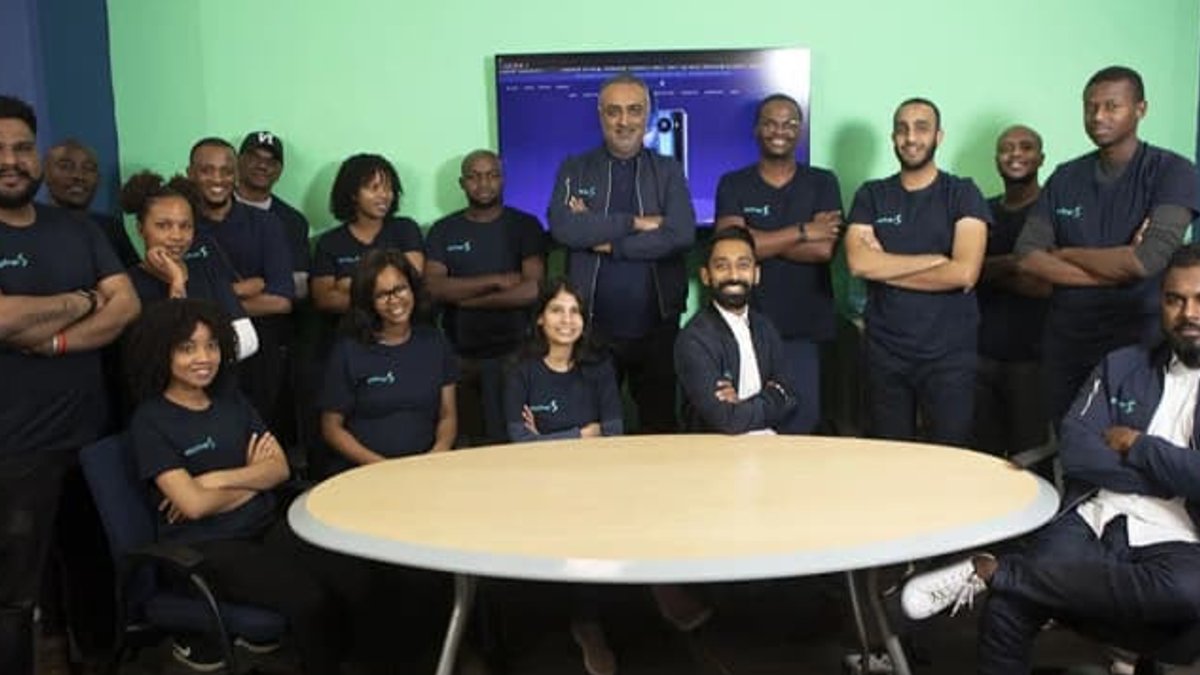
Nathan Nwachuku and Maxwell Maduka founded the company in 2024. Terra builds autonomous security systems for governments and critical infrastructure operators. Its technology covers aerial, ground, and maritime environments, combining real-time threat detection with autonomous response capabilities.
Expansion Plans: London and Ghana
The new capital will establish Terra’s first international office in London. The location aims to provide access to global defense institutions and AI talent. The company also plans to grow its engineering, operations, and business-development teams while accelerating deployments across the Global South.
A major part of the growth strategy involves its manufacturing base in Ghana. The Pax-2 facility, a 34,000-square-foot factory, is set to open in late 2026. By 2028, it expects to produce up to 50,000 aerial systems annually, which would make it the largest drone manufacturing facility on the continent by planned capacity. The Ghana site will work alongside Terra’s existing 15,000-square-foot Pax-1 facility in Abuja, Nigeria.
This strategy—keeping manufacturing in Africa while setting up commercial hubs abroad—stands out among early-stage African tech companies. Terra’s leadership argues that locally designed and built systems better address the region’s security challenges than imported alternatives. Those often come with higher maintenance costs and supply-chain risks.
The company’s portfolio includes AI-enabled sentry towers, unmanned ground vehicles, and interceptor drones. All connect through its proprietary ArtemisOS software. Terra states its systems already protect critical infrastructure assets valued at roughly $11 billion across multiple African nations.
Related: Samsung Unveils Massive 2027 Galaxy Lineup
The rapid fundraising highlights growing investor interest in defense technology outside traditional U.S. and European markets. After raising $11.8 million in its initial seed round, the company added $22 million in February. The latest $18 million infusion brings the total to $52 million.
Co-founder Nathan Nwachuku described the expansion as a move toward greater regional control over security infrastructure. “Critical infrastructure across the Global South is best protected by systems designed for these environments and built in the regions they protect,” he said. “This funding allows us to scale that work and strengthen our manufacturing base.”
Terra’s emphasis on autonomy, local production, and data sovereignty matches increasing demand from governments and infrastructure operators. They seek alternatives to imported systems. The company’s long-term plans include expansion into the Gulf, South America, and South Asia.
While Western firms have long dominated the defense-tech sector, Terra’s approach—African manufacturing paired with global commercial reach—may indicate a change in how emerging markets handle security technology. Success will depend on execution, but early traction shows investor willingness to support unconventional models.
The next milestones include launching the Ghana factory and opening the London office. If achieved, Terra could become a vertically integrated defense provider for the Global South, a role typically filled by foreign contractors.
E-waste remains a growing concern in tech manufacturing. Recycling services have emerged to address the issue, though defense-tech firms like Terra face unique challenges in sustainable production.



Leave a Reply