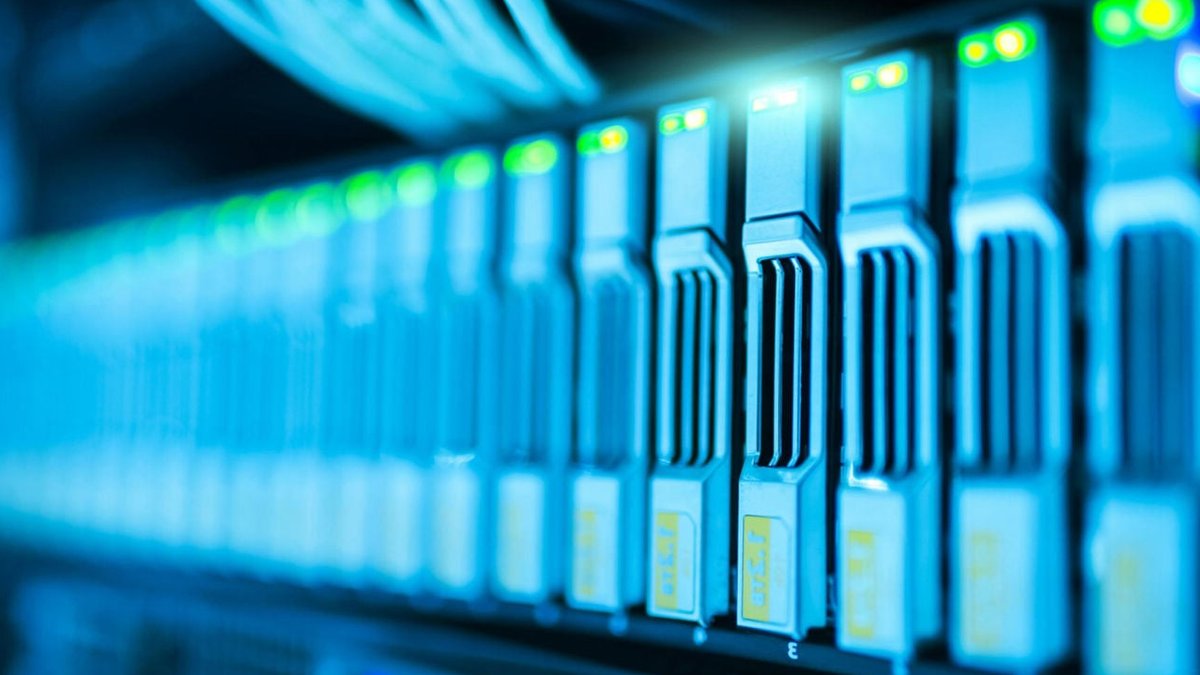
Data centers could guzzle 4x more electricity by 2035, according to a new BloombergNEF study that says the sector may consume one‑fifth of all U.S. power generation within the next decade.
Projected surge in power demand
The study projects that U.S. data centers will need roughly 200 gigawatts of capacity by 2035, a four‑fold increase from current levels. About half of that demand is expected to come from artificial‑intelligence workloads, including both model training and inference. The analysis notes that AI’s rapid adoption is the primary driver behind the steep rise in electricity use.
Current grid operators are already feeling the strain. PJM Interconnection, which balances electricity flows across a region stretching from Virginia to Illinois, has reported difficulty handling new connection requests. In response, the organization has temporarily halted applications for additional power sources, a move that could limit future expansion.
Consumers have begun to notice the impact. Recent data show that electricity prices in areas served by PJM have risen as much as 76 percent, a spike that many attribute to the growing demand from data‑center facilities.
Related: Samsung Announces 5 New Devices At Galaxy Unpacked
Energy‑intensive AI and water use
Running large AI models consumes significant power. A study cited by the filing indicates that a single median text prompt can use as much energy as a television set running for nine seconds. Tech giants such as Google have pledged to curb their energy footprints, with the company announcing a “water‑positive” goal for 2030.
Water consumption is tied to cooling needs. Data‑center servers generate heat that must be removed, and fresh water is preferred because seawater or untreated sources can cause corrosion. This reliance on clean water adds another layer of resource pressure to the sector.
While the numbers are stark, the situation is not entirely unprecedented. Earlier phases of the internet boom also saw rapid growth in data‑center capacity, prompting upgrades to transmission infrastructure and the adoption of more efficient cooling technologies. Those past adjustments suggest that the industry may again evolve to balance demand with sustainability, though the scale of AI‑driven growth could test existing limits.
Industry analysts note that the projected four‑fold increase hinges on several assumptions, including the continued expansion of AI services and the pace of hardware efficiency improvements. If advances in chip design or cooling methods materialize faster than expected, the actual power draw could be lower than the forecast.
Related: Security flaw found in five router models
Regulators and utilities are beginning to explore mitigation strategies. Some grid operators are evaluating demand‑response programs that could shift non‑critical workloads to off‑peak hours, reducing stress on the system. Others are considering incentives for data‑center operators that adopt renewable energy sources or deploy on‑site generation.
The analysis warns that without coordinated action, the electricity burden could exacerbate price volatility and strain the grid’s reliability. Stakeholders are urged to plan for the anticipated load increase, taking into account both the direct power draw and the ancillary water requirements for cooling.
Action is needed now.




Leave a Reply